IQC
Incoming Quality Control
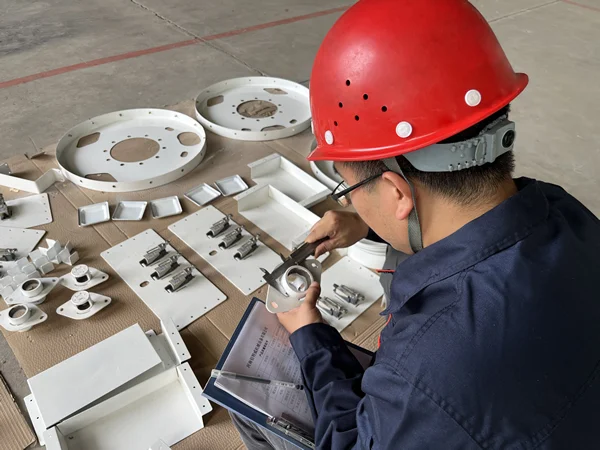
Raw materials and purchased parts are checked for quantity, specification, dimensions, material certificates, and thickness before production begins.
Betterway applies a four-level inspection workflow to custom-built environmental protection and firefighting equipment. Checks begin with materials and purchased parts, continue through production, and finish with equipment testing and shipment review.
Each stage focuses on a different checkpoint in the order, from material verification and in-process checks to finished-unit testing and shipment review.
Incoming Quality Control
Raw materials and purchased parts are checked for quantity, specification, dimensions, material certificates, and thickness before production begins.
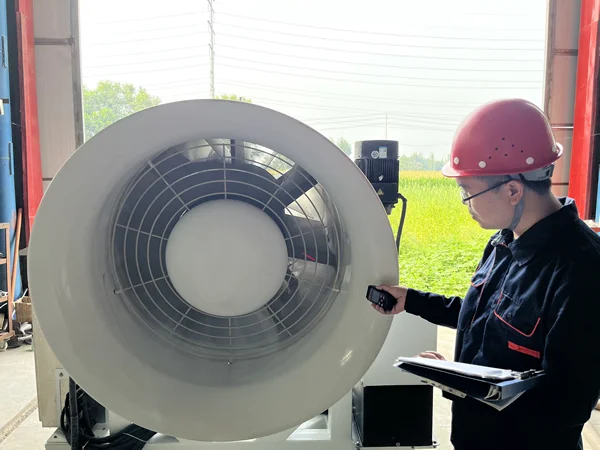
In-Process Quality Control
During fabrication, coating, and assembly, Betterway checks dimensions, weld condition, coating thickness, and appearance so issues can be corrected before the next step.
Final Quality Control
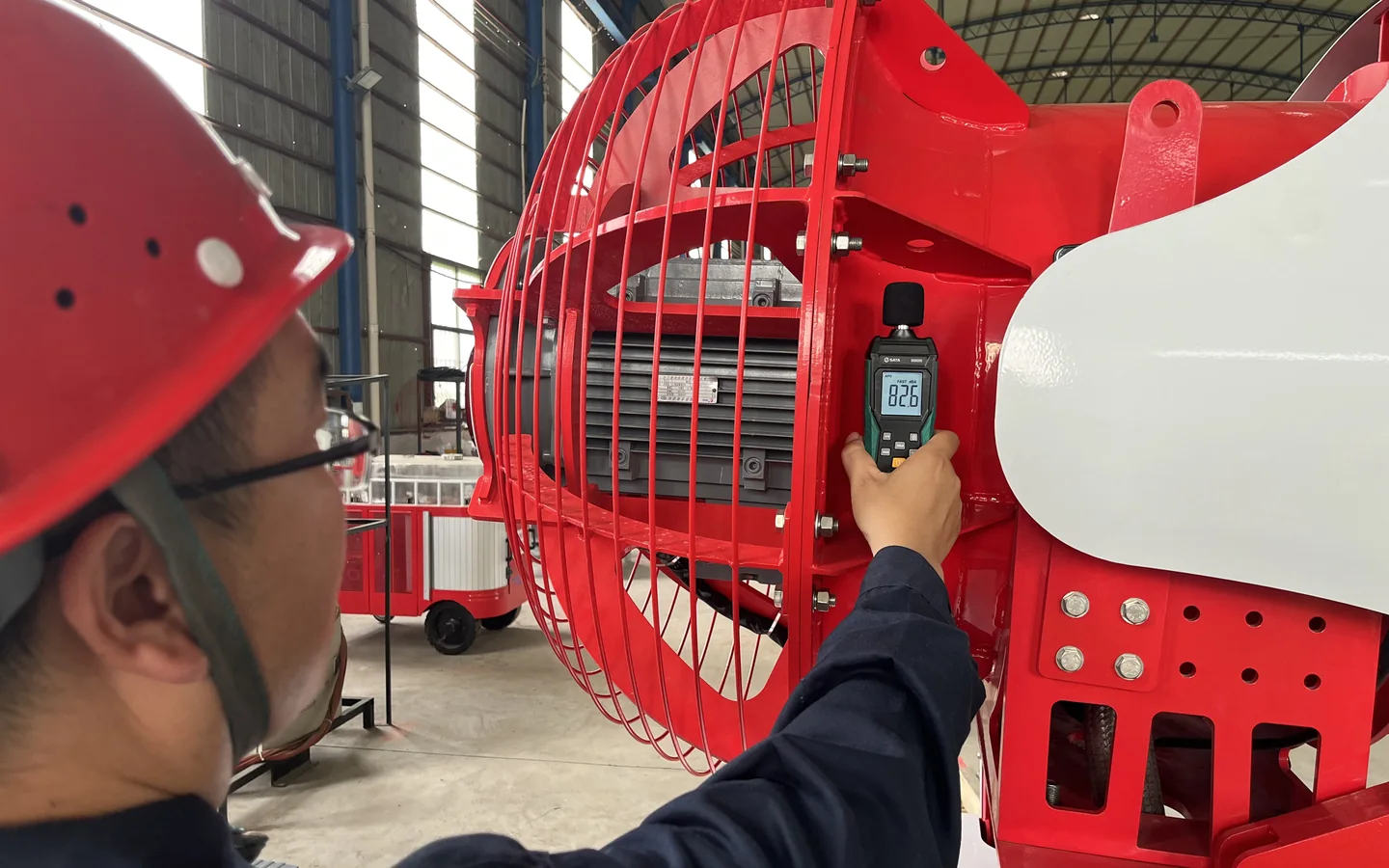
After assembly, the finished equipment is tested against the confirmed project configuration, including operation, electrical functions, air volume, spray range, noise, water flow, and remote control where applicable.
Outgoing Quality Control
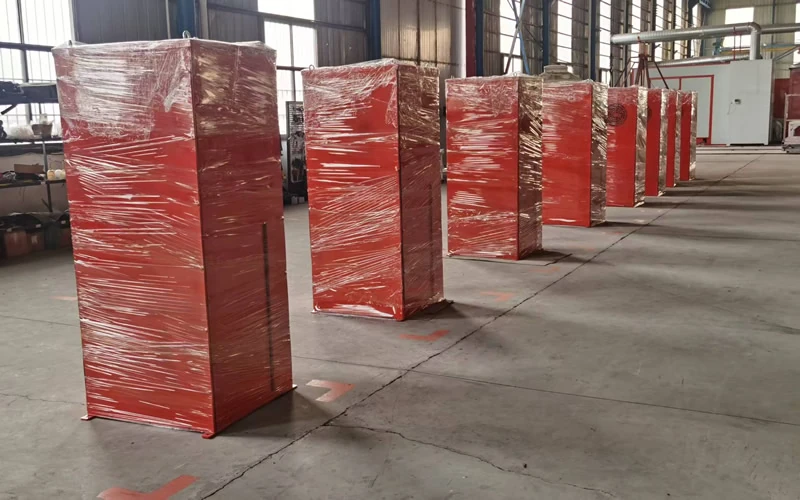
Before shipment, the main unit, spare parts, labels, packing condition, quantities, and outbound documents are reviewed together so the delivered order matches the inspected equipment.
Quality control affects whether the delivered equipment matches your confirmed configuration, operates as expected, and arrives with the right accessories and documents. These four points describe the results buyers can see from that process.
Before production starts, the inspection scope is matched to the actual order configuration instead of a generic catalog model. This helps reduce later deviation and rework caused by unclear or inconsistent parameters.
Incoming and in-process checks are meant to find issues while they can still be corrected, rather than after assembly or surface finishing makes rework slower and more costly.
After assembly, the equipment is tested against the functions and operating requirements that apply to the order. The goal is to confirm working condition before delivery, not just completed assembly.
Before shipment, the tested machine is checked together with its accessories, labels, packing condition, and delivery documents. This helps reduce missing items, mismatched paperwork, and shipment errors.
The photos below combine available workshop images with labeled placeholders where customer-facing records still need to be added. This keeps the page complete now and leaves clear replacement positions for future project photos.
Caliper measurement supports dimensional checks on key components and connection points during fabrication.
A coating gauge is used to verify surface thickness before final assembly or shipment release.
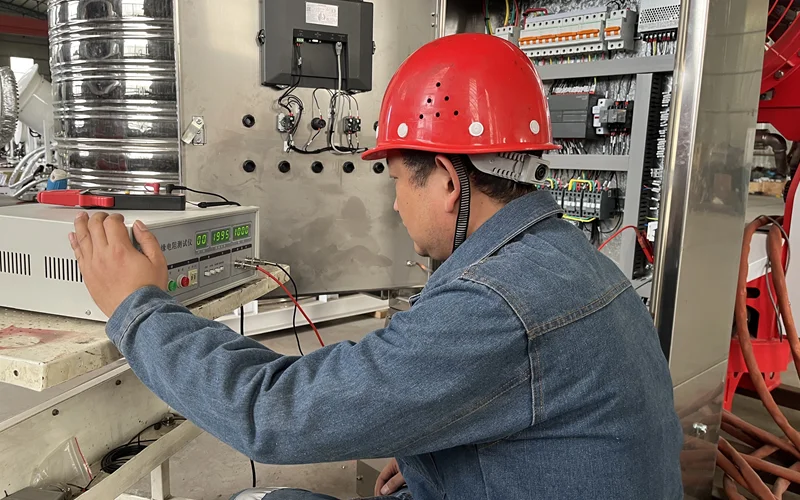
A future replacement photo can show electrical wiring checks, control verification, and related safety inspection records before delivery.
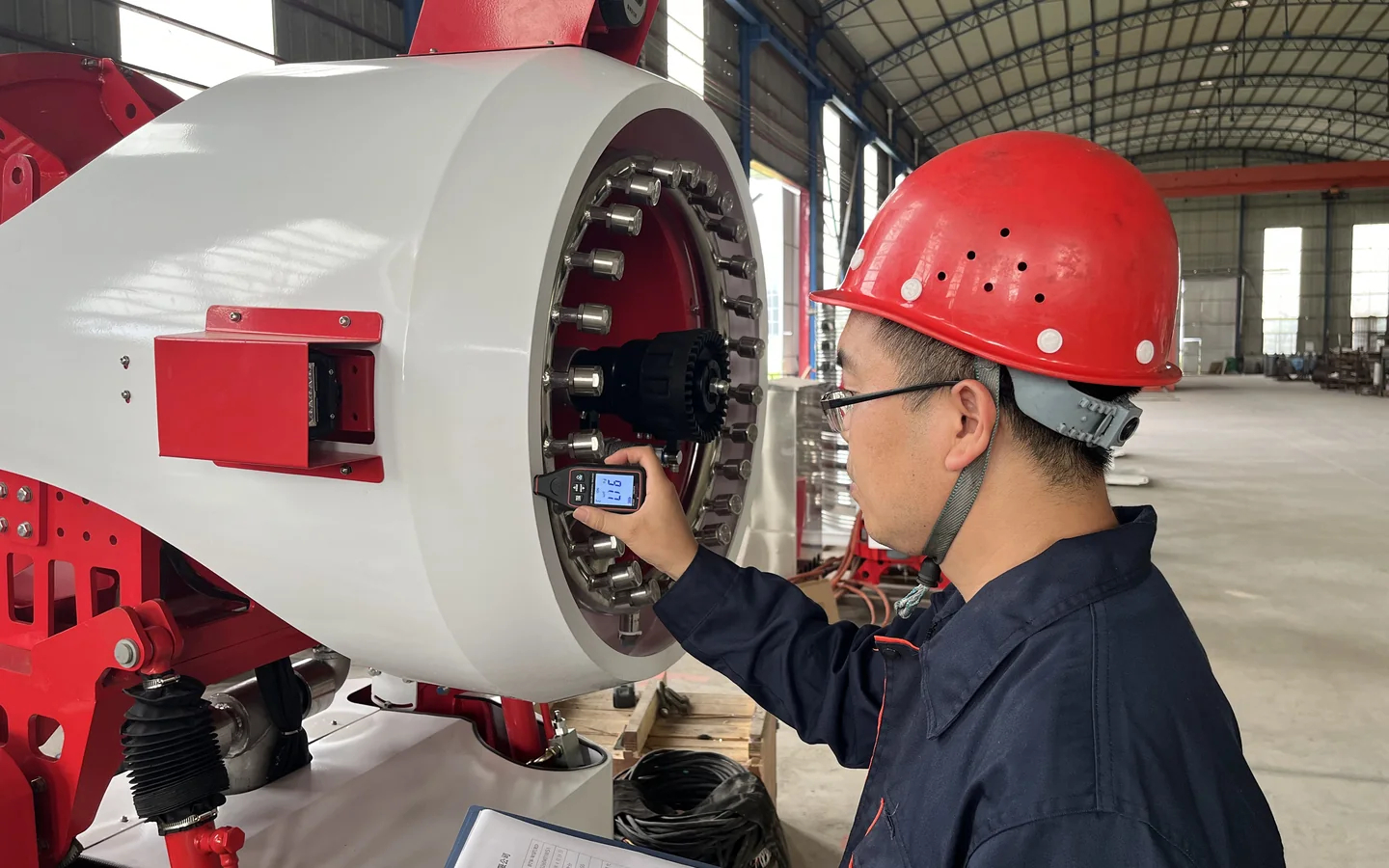
RPM measurement verifies a key operating value during finished-unit testing.
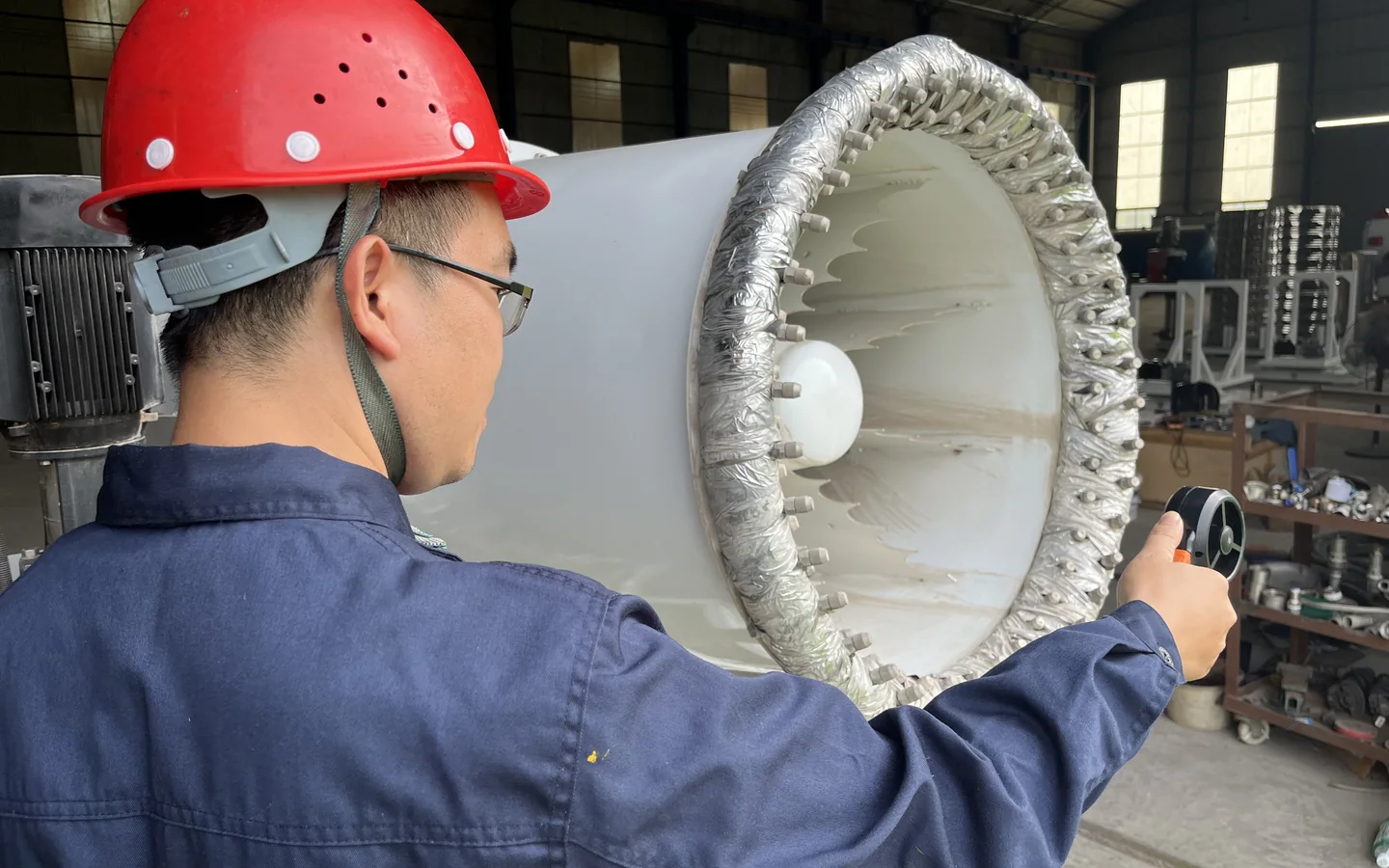
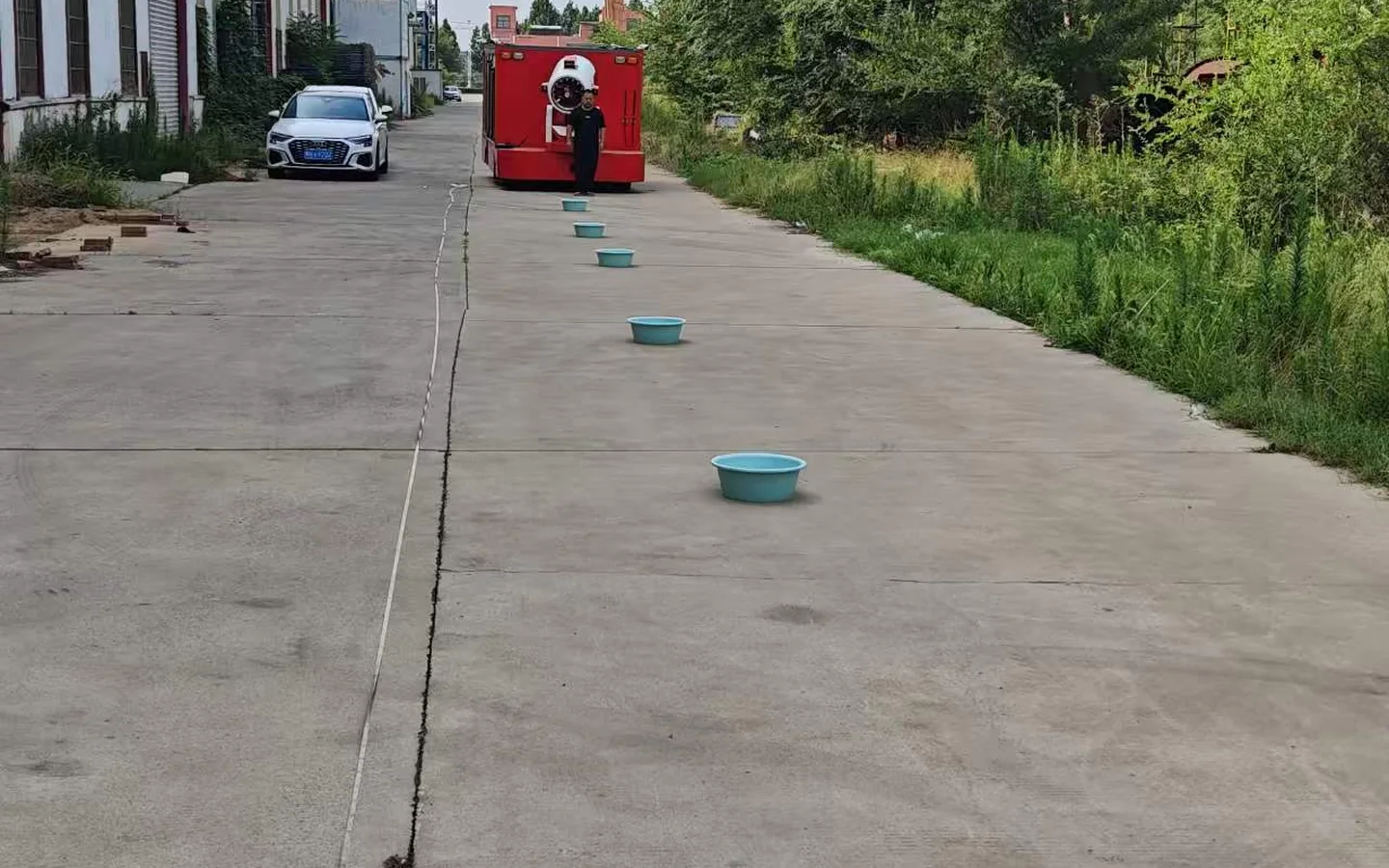
Airflow is measured near the outlet to support project-specific performance verification.
Noise is measured during operation under a test setup suited to the equipment size and power level.
Outdoor markers help connect the test setup with the intended spray or operating distance.
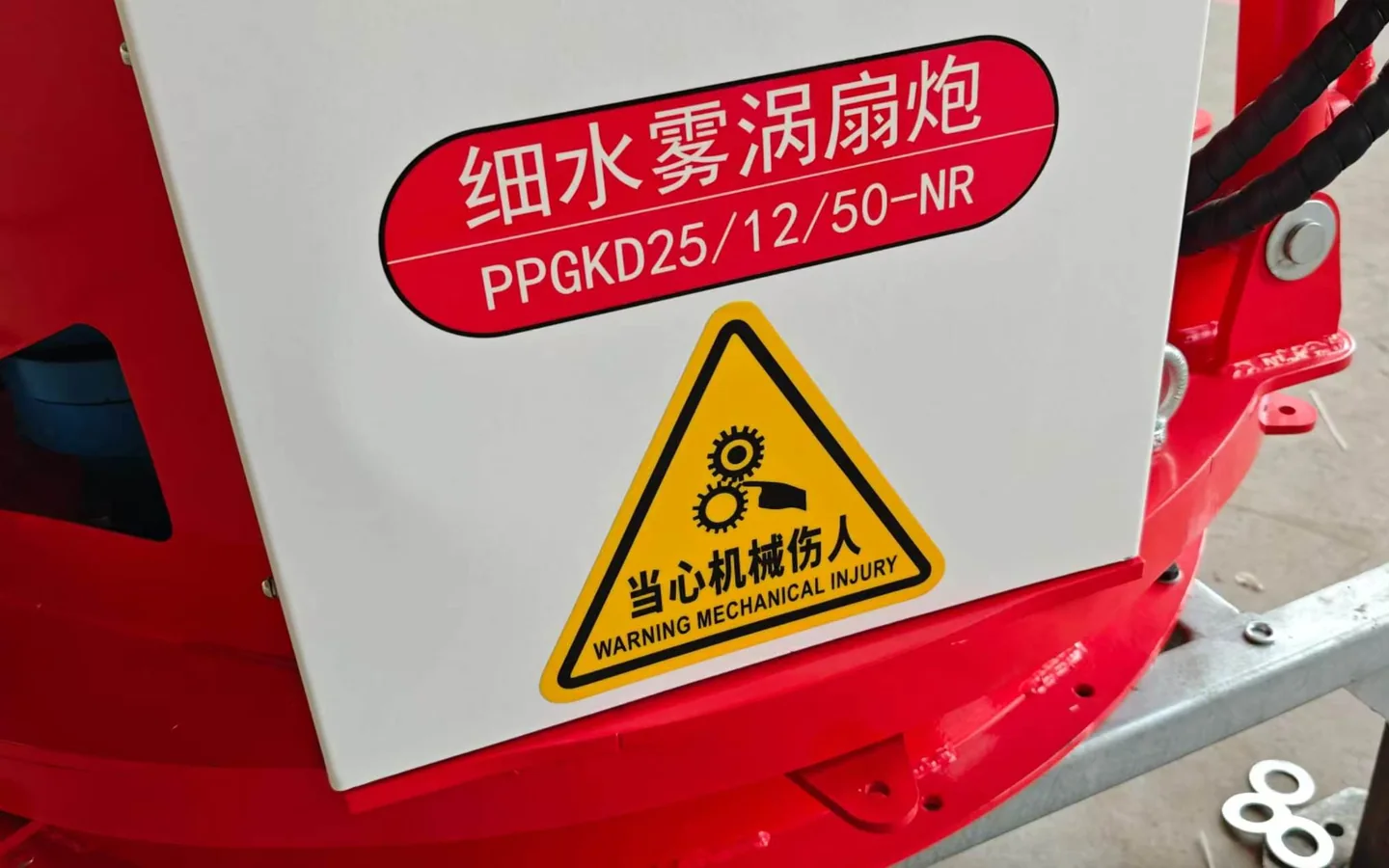
A future photo here can show nameplates, warning labels, accessories, packing condition, and delivery documents in one final check scene.
The final shipment review checks the inspected equipment together with its order documents and delivery condition.
For custom-built equipment, the final inspection record follows the actual order and configuration rather than a generic catalog sheet.
Each shipped unit is accompanied by an individual product quality inspection record with a corresponding identification code.
Three sample fog cannon inspection reports are available for buyers who need to review the type of delivery documentation before ordering.
Inspection items and report details can be aligned with the equipment type, control method, dimensions, power, water requirements, and customer documentation needs.
| Reference File | Current Use |
|---|---|
| inspection-report-fog-cannon-01.pdf | Sample fog cannon inspection report |
| inspection-report-fog-cannon-02.pdf | Additional sample report for order-based QC communication |
| inspection-report-fog-cannon-03.pdf | Additional sample report for delivered-unit documentation |
Send the product type, site conditions, quantity, and any drawings or PDF files. Betterway can then review the project and recommend a suitable equipment configuration.