
200-ton class load fit
Built for heavy-duty vehicle access and project conditions that call for a 200-ton-class reference.
Fully enclosed drive-through wheel wash systems for mining trucks, tankers, tractors, and other heavy-duty vehicles, with project-specific layouts for winter and site conditions.
Heavy Load · Cold Climate · Water Recycling | Quickly Check System Suitability
Built for heavy-duty vehicle access and project conditions that call for a 200-ton-class reference.
Three-stage sedimentation and recirculation helps reduce makeup water use and supports continuous operation.
Optional insulation, heating, enclosed doors, and anti-freezing measures support winter use in low-temperature sites.
Confirm the size, clear width, load reference, and control mode at a glance before matching the layout to the site.
Reference overall dimensions
Internal clear passage
Reference design load
Automatic and local operation
The confirmed workflow combines entry control, sectional washing, de-dusting, drying, and exit release.

These public references help customers compare climate adaptation, site layout, and engineering scope before final confirmation.
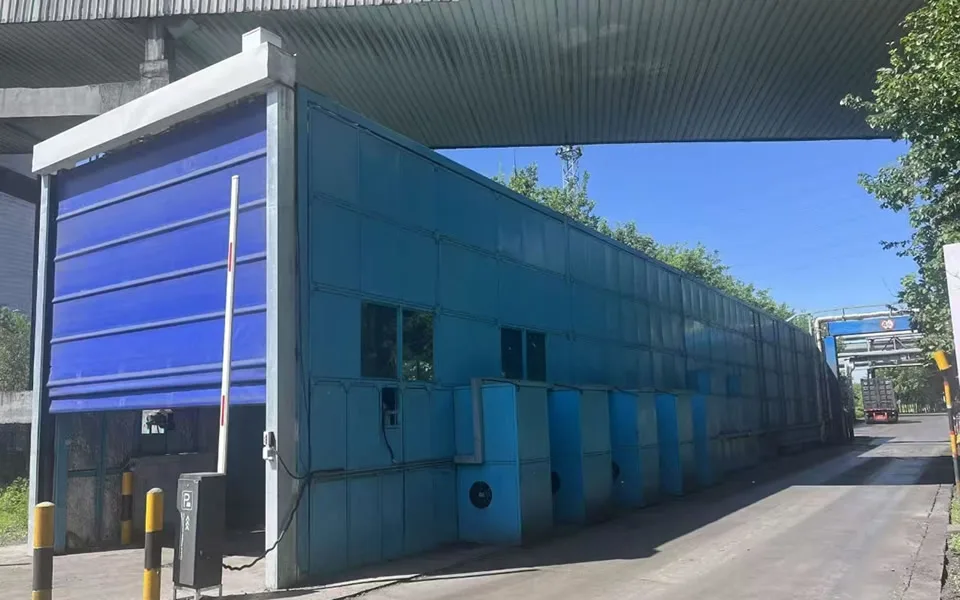
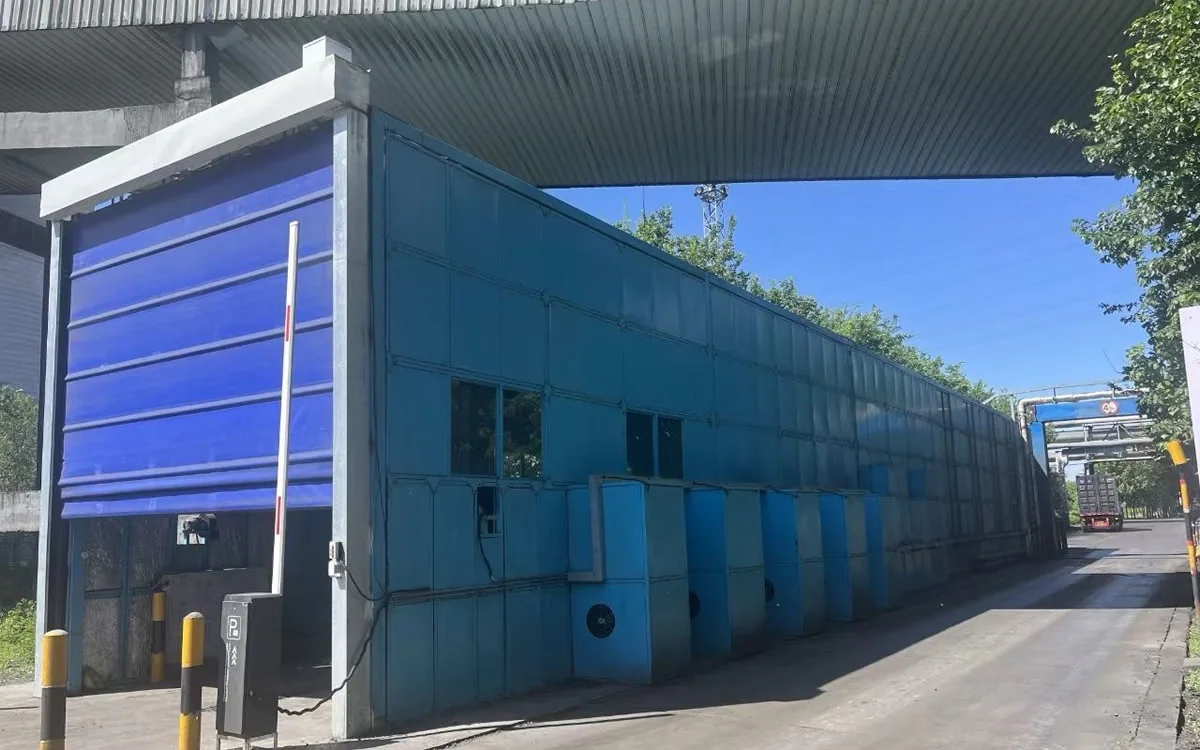
Heavy-duty wheel wash reference with enclosed structure, drying fans, gate controls, and winter heating support.
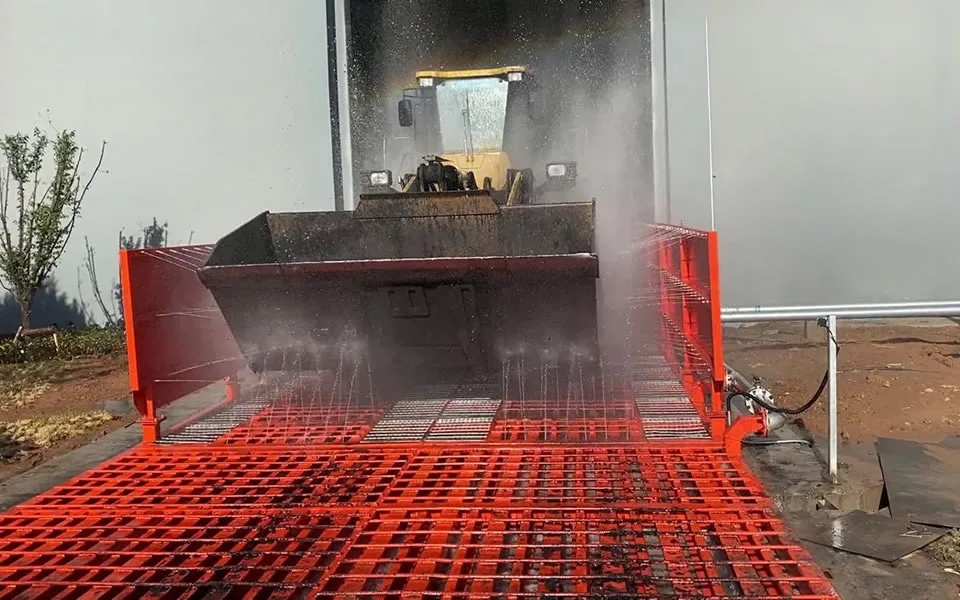
Steel-site wheel wash reference with two washing zones, one draining zone, and photoelectric sensing.
A reference design load is up to 200 tons, which covers heavy-duty industrial transport vehicles such as mining trucks, tankers, tractors, and other large plant vehicles.
Yes. The layout can be customized for the project site, with size, vehicle envelope, drainage, and civil foundation all adapted to the confirmed conditions.
The confirmed reference logic is a three-stage sedimentation and recirculation layout. Dirty water is collected, settled, and pumped back into use, so actual makeup water is only a portion of total washing volume rather than full one-pass consumption.
Adjustable washing time is about 60 to 200 seconds per vehicle, with maximum throughput up to about 40 vehicles per hour depending on vehicle condition and the selected washing logic.
A common setup is PLC automatic control plus local manual mode. Vehicles can be recognized at entry, washed in timed sections, drained, dried, and released with minimal operator intervention when the project is configured for that workflow.
Yes, when configured for the site. Standard use is above about -10 C, and a cold-climate version can be designed around insulation, heating, pile-up doors, heat tracing, and anti-freezing measures for projects that require around -30 C winter operation.
Standard systems are about 7 to 15 days including foundation work, while fully enclosed custom systems are typically 30 to 45 days as a turnkey project.
Yes. Public materials already include reference civil drawings from the Tianye Group and Jinding Steel projects, which can be used to estimate site preparation and civil-work scope before final engineering confirmation.
These details usually make the biggest difference when comparing layout, throughput, winter use, and civil-work scope.