
Keep operators at a safe distance
Remote control helps the team stay away from heat, smoke, toxic gas, and other hazardous conditions during fire response.
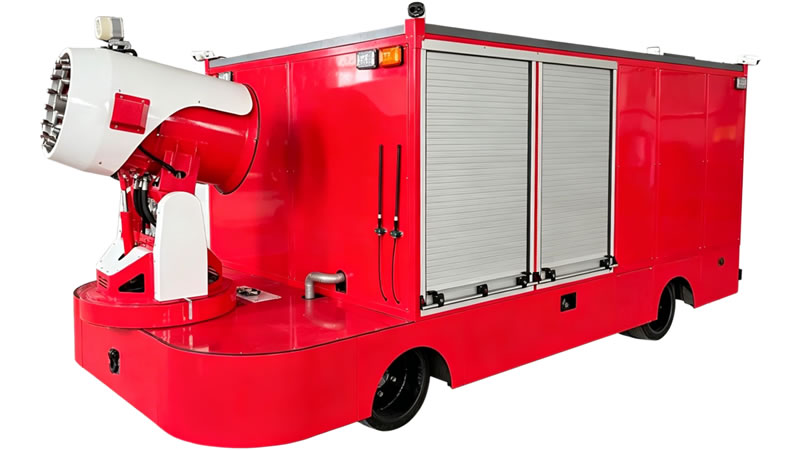
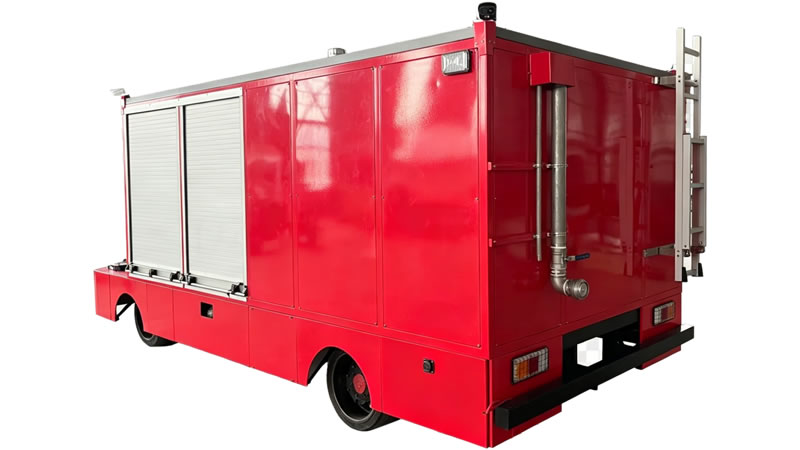
Wheeled fire-fighting robots are built for hazardous industrial scenarios where operators need to keep a safe distance from fire, heat, smoke, or explosive risk.
The intelligent turbine wheeled fire-fighting robot is designed for substations, oil depots, chemical parks, tunnels, and other high-risk environments. It keeps operators at a safe distance while combining remote control, thermal imaging, and turbine-assisted fire suppression in one platform.
Built for hazardous fire scenes, this robot helps teams operate from a safer distance, identify hot spots more clearly, and adapt the response method to site conditions.
Remote control helps the team stay away from heat, smoke, toxic gas, and other hazardous conditions during fire response.
Infrared thermal imaging supports fire-source identification and improves visibility when the scene is smoky or low-light.
The turbine-assisted system helps push the fire-response medium farther and supports cooling, smoke exhaust, and heat reduction.
Water, mist, and foam response modes can be selected to match the fire type and the site conditions.
These are the core figures customers usually review first, including overall size, travel range, media capacity, and spray reach. Final configuration can be adjusted to the project and application needs.
Overall vehicle size
Driving range
Water tank and foam tank
Rated spraying distance
Before choosing the final configuration, customers usually check site layout, fire type, and operating route.
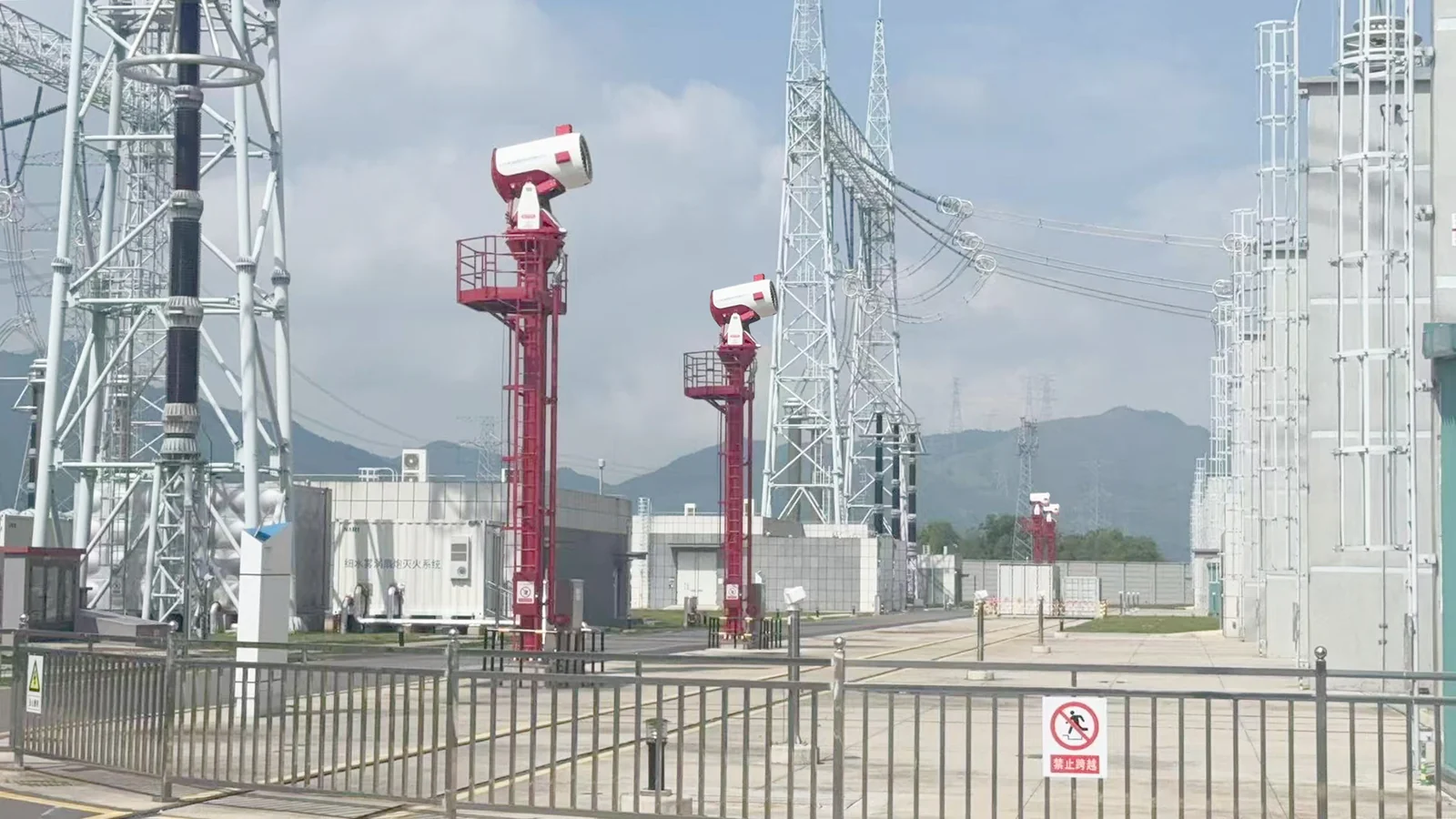
Suitable for substations, transformer yards, and similar power facilities where operators need remote fire response and thermal monitoring.
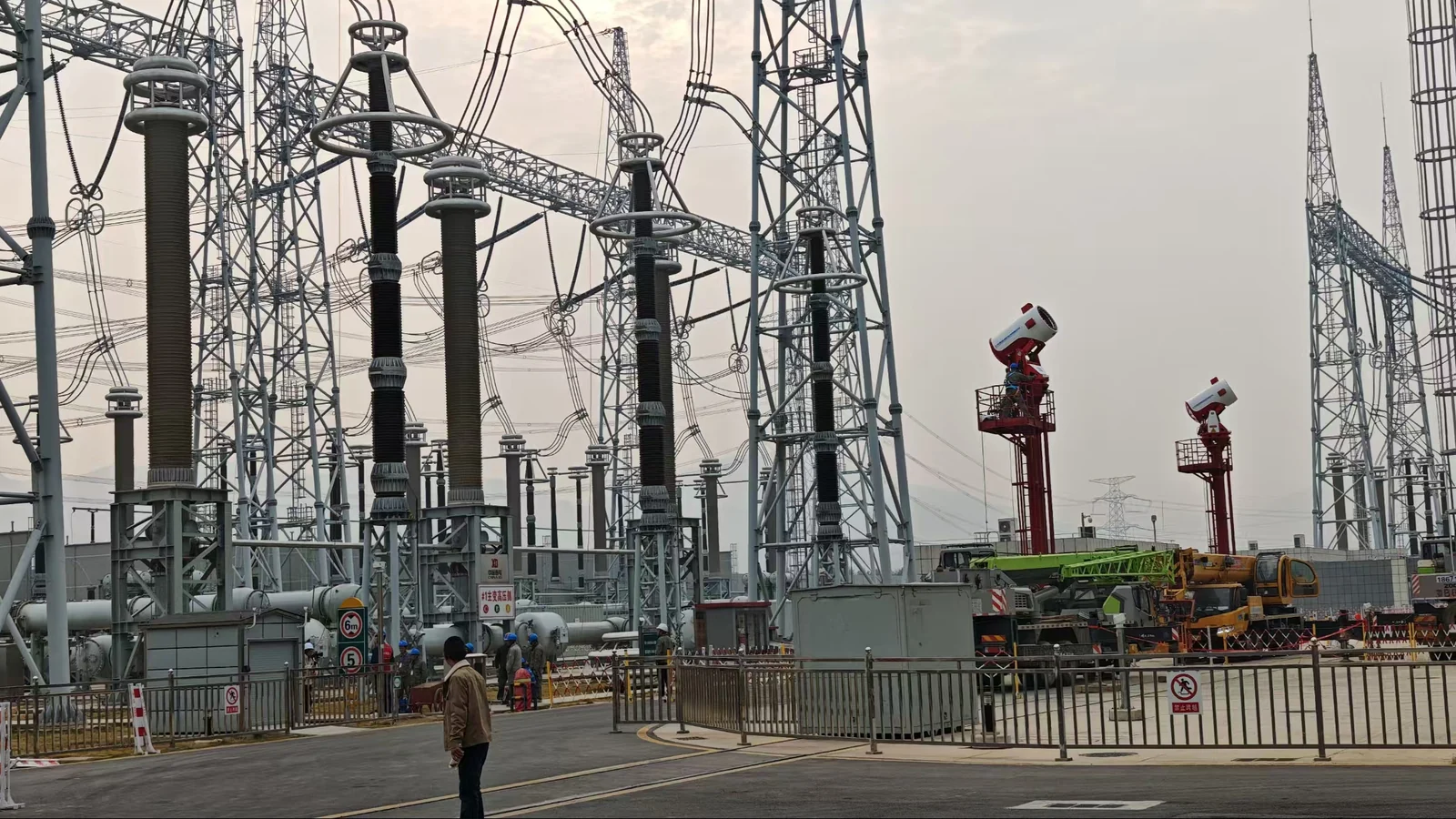
Suitable for industrial plants, equipment yards, and other open sites where a mobile fire robot can reach the scene quickly.
Confirmed wheeled fire-fighting robot videos or photos can be added here once public project material is available.
When cleared project footage is available, this area will present robot travel, remote control, spray reach, and site background in a video-first format.
When a project has approved photos but no video, this area can show the project background and key configuration in the same concise case format.
A normal remote-control distance is about 200 meters, with optional long-distance image-transmission solutions reaching up to 2 kilometers in suitable conditions.
A common reference configuration uses lithium power for movement and a 48 kW diesel engine for fire-response output, with more than 10 km travel range, over 4 hours standby, and about 8 hours of continuous engine-side operation with a full fuel tank.
The thermal-imaging module helps identify and mark hot spots, provides visible-light and infrared feedback, and supports more precise remote targeting in smoke, heat, or low-visibility conditions.
The system can monitor battery status, engine temperature, and hydraulic pressure, along with alarms or protection logic for issues such as overload, water shortage, abnormal pressure, and motion self-locking when needed.
Reference lead time is about 5 to 7 months because this is a customized product family that can include design work, production, commissioning, and road-testing before delivery.
These points are usually the fastest way to judge whether a wheeled robot is the right fit for the site.